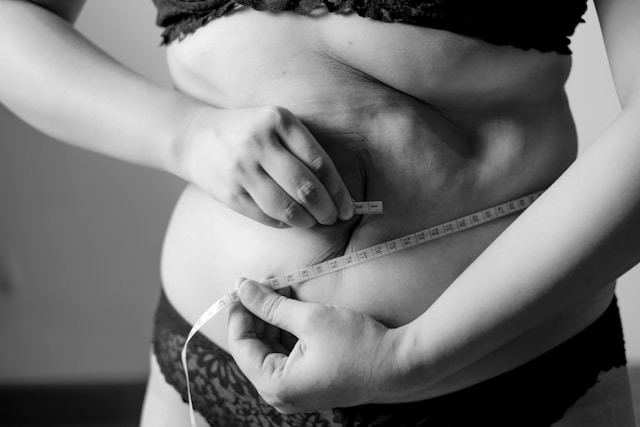

Why Menopause Makes Weight Loss Harder, and What Actually Works
Many women notice that weight becomes harder to manage in perimenopause and menopause even when their routines have not changed. That can feel frustrating and discouraging, but it is not simply a matter of willpower. This guide explains why midlife hormonal changes can affect weight and why a doctor-led plan may help you move forward more effectively.
Why weight can change in midlife
During perimenopause and menopause, hormone levels shift. These changes can affect appetite, sleep, energy, body composition, and where the body tends to store fat. At the same time, poor sleep, stress, and changes in muscle mass can make weight loss feel harder than it used to.
For many women, the pattern is not just about eating more or exercising less. The body may respond differently during this stage of life, which is why standard advice can feel less effective. Weight changes can also happen gradually, making them easy to dismiss at first. Over time, however, many women find that the same habits that worked in their 30s no longer produce the same results.
What is happening hormonally?
Estrogen and progesterone can fluctuate significantly in perimenopause and decline with menopause. These shifts may influence metabolism, insulin response, sleep quality, and mood, all of which can play a role in weight gain or make weight loss more difficult. When symptoms overlap, it can help to look at the full hormonal picture rather than blaming yourself.
Hormonal changes may also affect how the body stores fat and how consistently you feel hunger, fullness, and energy throughout the day. If sleep is disrupted or stress feels higher than usual, that can make healthy routines harder to maintain. This is one reason a broader medical review can be helpful instead of relying only on generic advice.
What actually works
Quick fixes often do not address the root cause. A more effective approach is usually structured, realistic, and medically guided. That may include:
- A full review of symptoms, health history, and weight patterns
- Evaluation for hormonal factors that may be contributing
- Baseline labs when appropriate
- A physician-supervised weight optimization plan
- Support for sleep, nutrition, movement, and other lifestyle factors
This kind of plan is designed to identify what may be driving the problem and build a safer, more sustainable path forward. Rather than focusing on a single factor, it looks at how multiple issues may be interacting at the same time. For example, disrupted sleep, stress, irregular cycles, and weight changes may all be part of the same picture.
Why a doctor-led approach is different
A doctor-led approach focuses on understanding why weight has changed, not just telling you to try harder. It can help connect the dots between hormonal shifts, symptoms, and metabolism while setting realistic expectations for progress. For women in Corona and the Inland Empire, that can mean more clarity, better support, and a plan tailored to this stage of life.
It can also reduce the confusion that comes from trying one trend after another without understanding what your body may need. When care is guided by a physician, the goal is to assess the bigger picture and create a plan that makes sense for your health history and symptoms.
When to seek an evaluation
It may be time to get help if:
- Weight gain feels sudden or difficult to explain
- You also have sleep problems, mood changes, or irregular cycles
- Your usual diet and exercise habits no longer seem to work
- You want a medically guided plan instead of another quick fix
FAQ
Is weight gain during menopause normal?
Weight changes are common during perimenopause and menopause, but that does not mean you have to ignore them. If the changes feel sudden, frustrating, or out of proportion to your routine, an evaluation may help clarify what is contributing.
Can hormones really affect weight loss?
They can. Hormonal shifts may affect sleep, mood, appetite, metabolism, and energy, which can all influence weight patterns and make progress feel slower than expected.
Why does my usual routine stop working?
Many women find that strategies that worked earlier in life become less effective in midlife. That does not mean you are doing something wrong. It may mean your body needs a more individualized and medically guided approach.
Should I seek medical help for menopause-related weight changes?
It may be worth seeking an evaluation if weight changes are affecting your quality of life or happening alongside symptoms such as poor sleep, mood changes, or irregular cycles. A medical review can help identify possible contributing factors and next steps.
Dr. Leita Harris of Nurturing You Women’s Health & Wellness provides evidence-informed care for women in Corona and the Inland Empire who are navigating hormonal changes in midlife.
Book a consultation → https://nurturingyou.com