
Perimenopause in Your 40s: The Symptoms Women Miss and When to Get Help
Perimenopause can begin years before menopause, and its earliest signs are often easy to dismiss. Irregular periods, disrupted sleep, mood changes, weight shifts, and brain fog may be brushed off as stress, a busy schedule, or simply getting older. Yet together, these changes can form a pattern.
Understanding that pattern can help you feel less confused and more supported. At Nurturing You Women’s Health & Wellness in the Inland Empire, Leita Harris, MD, provides research-informed, integrative care tailored to each woman’s symptoms, goals, and health history.
What perimenopause really is
Perimenopause is the transition leading up to menopause, when ovarian hormone production becomes less predictable. It can last several years and often begins in the 40s. During this time, estrogen and progesterone may rise and fall unevenly, which is why symptoms can seem to come and go without a clear reason.
Menopause is reached after 12 consecutive months without a menstrual period that is not explained by pregnancy, birth control, or surgery. Perimenopause happens before that point, and for many women, it is when symptoms first begin to interfere with daily life.
The symptoms women often miss
Some perimenopause symptoms are well known, such as hot flashes and night sweats. Others are easier to overlook, especially early on.
Common signs include:
- Irregular cycles, including shorter or longer gaps between periods
- Heavier, lighter, or skipped periods
- Sleep disruption, including trouble falling or staying asleep
- Mood changes such as irritability, anxiety, or low mood
- Brain fog, forgetfulness, or slowed word-finding
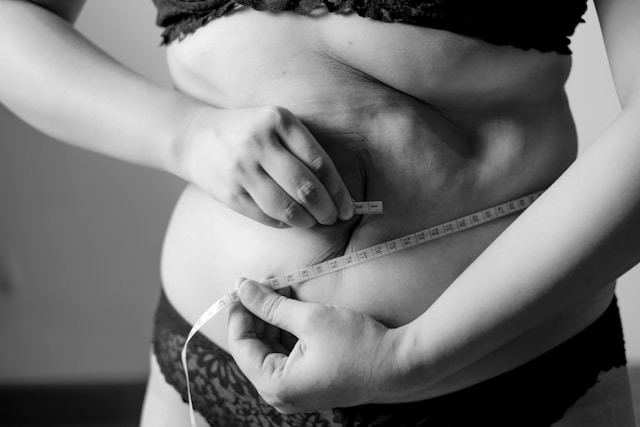
- Weight gain around the middle
- Decreased libido
- Vaginal dryness or discomfort with intimacy
- Headaches or joint aches
Not every woman will have every symptom, and symptoms do not always appear in a neat order. That is part of what makes perimenopause easy to miss.
Why these changes are often mistaken for stress
Many early symptoms of perimenopause overlap with everyday life. Poor sleep can feel like burnout. Brain fog may seem like multitasking overload. Mood swings are often blamed on stress alone. Weight changes can feel frustrating but nonspecific.
When cycle changes begin showing up alongside these symptoms, it may point to a hormonal transition rather than stress alone. Looking at the whole picture matters.
What is happening hormonally
In perimenopause, estrogen and progesterone do not decline in a smooth, steady way. They fluctuate. One month may feel manageable, while the next feels completely different. These shifts can affect temperature regulation, sleep quality, mood, cognition, and vaginal and urinary comfort.
Because hormone levels can vary during perimenopause, symptoms may be inconsistent. That inconsistency is common and does not mean what you are experiencing is not real.
When it makes sense to have your hormones evaluated
An evaluation may help if:
- Symptoms are affecting sleep, work, mood, or relationships
- Periods have become noticeably irregular
- Hot flashes or night sweats are starting
- Brain fog, fatigue, or low mood are becoming harder to manage
- Vaginal dryness, discomfort, or urinary changes are developing
- You want to discuss hormone therapy or nonhormonal options
Blood work is most useful when guided by symptoms and history. Depending on your situation, baseline labs may include thyroid function, blood counts, lipids, glucose and insulin markers, and sometimes hormone levels to help map patterns. If treatment begins, follow-up can help refine dosing and monitor progress.
What support can look like
Care often begins with lifestyle foundations such as sleep support, nutrition, movement, and stress management. When symptoms persist or quality of life is suffering, medical options may also be considered.
These may include:
- Nonhormonal support for hot flashes
- Local vaginal estrogen when appropriate
- Systemic hormone therapy, often bioidentical hormone replacement therapy (BHRT), when benefits outweigh risks
- Ongoing follow-up to adjust the plan as symptoms and goals change
At Nurturing You, treatment is personalized rather than one-size-fits-all.
When to get help
Do not ignore symptoms that are disrupting daily life. It is also important to seek evaluation if bleeding is very heavy, very frequent, lasts longer than 7 days, occurs more often than every 21 days, or returns after 12 months without a period.
Getting help does not mean you are overreacting. It means you are paying attention to your health.
Summary
Perimenopause in your 40s can begin quietly, with symptoms that are easy to miss when viewed one at a time. But irregular cycles, poor sleep, mood changes, brain fog, and weight shifts may reflect a larger hormonal pattern. Recognizing that pattern is often the first step toward feeling better.
Learn about menopause and hormone care: https://nurturingyou.com/menopause-treatment/