
Menopause weight loss that works: nutrition, training, and medical support
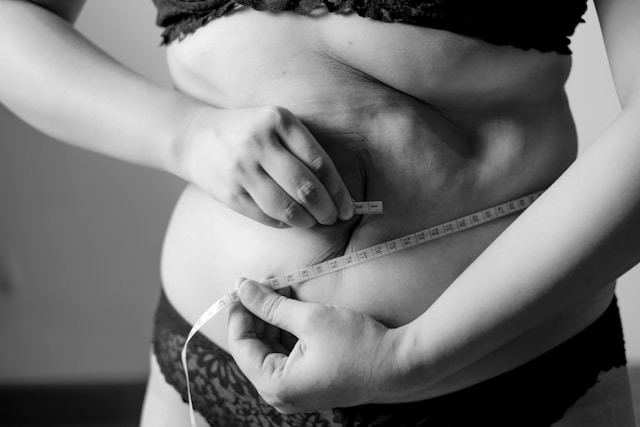
If your jeans feel tighter and your midsection seems to have a mind of its own, you are not imagining it. Menopause changes how your body uses energy, stores fat, and builds muscle. Diets that worked in your 30s may stall in your 40s and 50s. This is not a willpower problem, it is physiology.
The good news is that your body is still remarkably responsive. With the right nutrition targets, progressive strength training, daily movement, restorative sleep, and stress care, you can lower body fat, protect muscle, and feel like yourself again. Medical tools can help when lifestyle alone is not enough, and hormone therapy may support body composition for some women.
This guide explains what is happening, what to do about it, when to consider medications, and how to kick start progress with a practical two-week plan you can start today.
Why weight shifts during menopause
- Estrogen decline changes where fat is stored. As estrogen falls, more fat is directed to the abdominal area. Visceral fat is metabolically active and can drive insulin resistance.
- Insulin resistance becomes more common. Cells become less responsive to insulin, making it easier to store calories as fat and harder to access stored fuel.
- Sarcopenia, age-related muscle loss, accelerates. Less muscle means a lower resting metabolic rate and poorer glucose handling.
- Sleep disruption and hot flashes raise cortisol. Higher stress hormones increase appetite, cravings, and central fat gain.
You cannot control hormones aging, but you can stack the deck with nutrition and training that address these shifts directly.
The nutrition strategy that works now
There is no single best diet for a menopausal woman to lose weight. The best plan is one you can sustain that emphasizes protein, fiber, and minimally processed foods while managing total calories. Aim for:
- Protein: 1.0 to 1.2 grams per kilogram of target body weight daily, or about 25 to 35 grams per meal. Protein preserves muscle, increases satiety, and has a higher thermic effect.
- Fiber: 25 to 35 grams per day from vegetables, berries, legumes, chia or flax, and whole grains as tolerated. Fiber supports gut health and steadier glucose.
- Carbohydrates: Choose slow-digesting carbs around workouts and earlier in the day if sleep is affected by late eating. Adjust portions to your activity and glucose response.
- Fats: Include omega-3 rich sources like salmon, sardines, walnuts, and olive oil. Fats help with satiety and hormone production.
- Hydration and electrolytes: Adequate fluids and minerals support energy and appetite regulation.
Instead of rigid rules, use a plate method. Half non-starchy vegetables, one quarter lean protein, one quarter quality carbohydrates or starchy vegetables, plus a thumb of healthy fat. This structure simplifies choices at home or when dining out.
Training that protects metabolism
The best way for a menopausal woman to lose weight combines resistance training, NEAT, and smart cardio.
- Resistance training 2 to 4 days per week. Prioritize compound lifts, such as squats, deadlifts or hip hinges, rows, presses, lunges, and carries. Aim for 6 to 10 working sets per muscle group weekly. Progress load or reps gradually.
- NEAT, your non-exercise activity, matters. Target 7,000 to 10,000 steps per day or a 10 to 15 percent increase from your current baseline. Chores, walking meetings, and frequent micro-movement all count.
- Cardio 1 to 3 sessions per week. Mix brisk walking or cycling with short intervals once conditioned. Keep intensity low to moderate on most days to protect recovery and sleep.
Strength preserves and builds muscle, NEAT increases daily energy expenditure, and cardio supports cardiovascular health and glucose control. Together, they create a sustainable calorie gap without overtaxing your system.
Sleep and stress, your silent accelerators
Sleep resets appetite hormones and nervous system balance. Build a wind-down routine, keep your bedroom cool, avoid large late meals, and limit alcohol which fragments sleep and worsens night sweats. For stress, five minutes of slow nasal breathing, a 10-minute walk after meals, or a brief body scan can lower cortisol and cravings. Small daily practices compound.
Where medical options fit
If you have tried structured nutrition and training for 3 months and progress has stalled, medical support may help:
- GLP-1 receptor agonists, such as semaglutide, and dual agonists, such as tirzepatide, reduce appetite and improve insulin sensitivity. They are typically once-weekly injections, titrated gradually, and require clinician oversight. Side effects can include nausea or constipation, which are often manageable with dose adjustments and dietary strategies.
- Other prescription options exist and can be considered based on your health history and preferences.
- Hormone therapy, including bioidentical hormone replacement therapy, is not a weight-loss drug. For symptomatic women who are appropriate candidates, estrogen and progesterone can improve sleep, hot flashes, and mood. Better sleep and reduced vasomotor symptoms can indirectly support healthier habits and body composition. HRT can also help preserve lean mass when combined with resistance training. It does not stop weight gain for everyone, and candidacy depends on personal risks and benefits.
- Emerging research suggests that combining GLP-1 medications with hormone replacement therapy (HRT) may enhance weight loss outcomes in postmenopausal women. A 2026 study found that women using tirzepatide alongside hormone therapy achieved approximately 35% greater weight loss than those using tirzepatide alone, although researchers note that larger randomized trials are needed to confirm whether HRT directly contributes to these improved results.
To learn how our physician-led programs personalize these decisions, explore our approach to corona medical weight loss at Nurturing You. If you prefer a remote start, our team also offers telehealth menopause care in Corona for appropriate visits.
- Internal links:
- Learn more about corona medical weight loss: https://nurturingyou.com/medical-weight-loss-program/
- Explore telehealth options: https://nurturingyou.com/telemedicine/
A simple two-week momentum plan
Week 1
- Set protein at 25 to 35 grams per meal. Plan 3 meals, 1 protein-forward snack if needed.
- Walk 10 minutes after 2 meals daily to aid glucose control.
- Two strength sessions, full body. Example: squat or leg press, hinge or deadlift pattern, row, push, core. Two to three sets each.
- Lights out 30 minutes earlier. Bedroom at 65 to 67 degrees if possible. Limit alcohol to 0 to 1 serving.
- Track steps and meals three days, without judgment. You are collecting data.
Week 2
- Add one more strength day or a short interval session, such as 6 by 1 minute brisk intervals with easy recovery.
- Increase vegetables to 6 cups per day across meals. Add 1 to 2 tablespoons of chia or ground flax.
- Identify two evening habits to swap, such as scrolling for stretching, or snacking for herbal tea and a book.
- Review your data. Choose one lever to nudge, such as 100 to 150 fewer calories from refined snacks or 1,000 more steps per day.
These two weeks are not about perfection. They create momentum you can maintain.
Smart tracking without obsession
- Pick two metrics: daily steps and protein grams. Nail those first.
- Weigh 2 to 3 mornings per week under similar conditions and look at weekly averages, not single days.
- Consider a body-composition scan every few months to ensure fat loss with muscle preservation.
- Note energy, sleep quality, and hot flashes in a simple log. These guide adjustments as much as the scale.
Quick FAQ for common questions
- What is the best diet for a menopausal woman to lose weight? The one you can sustain that prioritizes protein, fiber, minimally processed foods, and a modest calorie deficit. A plate method with 25 to 35 grams of protein per meal works well for many.
- What is the best way to lose weight during menopause? Combine resistance training, daily movement, and cardio with protein- and fiber-forward meals, steady sleep, and stress care. Add medical support when lifestyle alone stalls.
- Does HRT stop weight gain? No. HRT is not a weight-loss therapy. For eligible women, it may improve sleep and symptoms, which can indirectly support better body composition when paired with training and nutrition.
- How do you kick start weight loss in menopause? Start with two weeks of consistent protein, two to three strength sessions, 7,000 to 10,000 steps, 10-minute post-meal walks, more fiber, and earlier bedtimes. Review your data and adjust one lever at a time.
Personalize your plan with expert care
Menopause changes the rules, but you can still win the game. Focus on protein, fiber, strength, movement, sleep, and stress. Consider medical options when needed and use data to steer, not shame. If you want support, Nurturing You Women’s Health & Wellness offers physician-led programs that align with your goals and medical history. For individualized guidance, schedule a menopause consultation in Corona or ask about corona GLP-1 weight loss injections to see if they fit your plan. Call (844) 845-8737 to book a medical weight-loss or menopause visit and get a plan built for you.