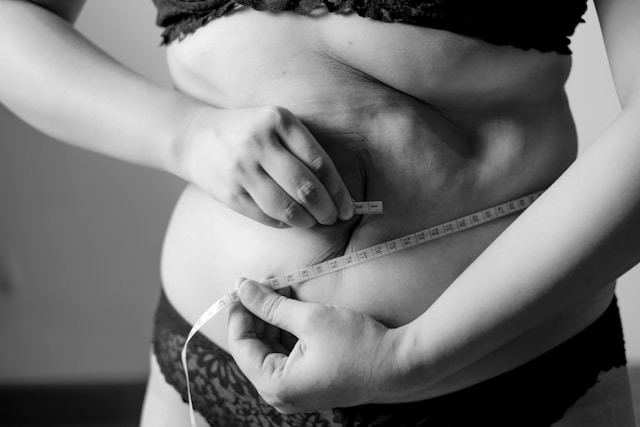

GLP-1 weight management: timelines, safety, and realistic results
Curious about GLP-1 medications like semaglutide or tirzepatide for weight management, but want the science, the safety, and the real timelines? You are not alone. These therapies can be powerful tools when used thoughtfully, with a plan that protects your long-term health.
At Nurturing You Women’s Health & Wellness in Corona, we help women navigate GLP-1 options with a physician-led, whole-person approach. This guide explains how GLP-1s work, who they are for, what to expect week by week, and how to keep muscle while you lose fat so your results last.
How GLP-1 medications work
Glucagon-like peptide 1 (GLP-1) receptor agonists mimic a natural gut hormone that helps regulate appetite and blood sugar. In practical terms, they can:
- Slow stomach emptying so you feel full longer
- Reduce hunger and food noise
- Improve insulin sensitivity and support steadier glucose levels
Semaglutide is a GLP-1 receptor agonist. Tirzepatide targets GLP-1 and glucose-dependent insulinotropic polypeptide (GIP), another hormone involved in appetite and glucose control. Both are typically administered once weekly and are titrated from a low starting dose to a therapeutic dose to improve tolerability.
Who is a good candidate
GLP-1 therapy is usually considered for adults with:
- A body mass index (BMI) of 30 or greater, or
- A BMI of 27 or greater with a weight-related condition such as prediabetes, type 2 diabetes, hypertension, dyslipidemia, or sleep apnea
Candidacy also depends on your medical history, current medications, and goals. For women in perimenopause or menopause, we also consider hormone status, thyroid function, and body composition. An individualized plan can combine GLP-1 support with resistance training, protein targets, and, when appropriate, hormone therapy.
If you prefer physician-led care that prioritizes safety and sustainable change, explore our program for corona medical weight loss. A clinician-guided plan typically outperforms a one-size-fits-all approach because it can adapt dosing, nutrition, and training to your response.
Who should not take a GLP-1
GLP-1 therapies are not for everyone. You should avoid these medications if you have:
- A personal or family history of medullary thyroid carcinoma (MTC) or multiple endocrine neoplasia syndrome type 2 (MEN 2)
- A history of serious hypersensitivity to the medication
- A history of pancreatitis related to GLP-1 use
Use caution and consult closely with your clinician if you have gallbladder disease, severe gastrointestinal disease, kidney impairment, are on insulin or sulfonylureas, or are pregnant or trying to conceive. Ongoing monitoring helps identify rare but important issues such as persistent abdominal pain, severe nausea or vomiting, or signs of dehydration.
What realistic results look like
Weight loss with GLP-1 therapy varies, and it is dose-dependent and behavior-dependent. In clinical trials, average total body weight loss often ranges from 10 to 20 percent over several months, with wide individual variation. The goal is steady fat loss while preserving lean mass.
Expect a slow build:
- Weeks 1 to 4, the focus is tolerability while your dose is low. Appetite shifts begin.
- Weeks 5 to 12, weight loss typically accelerates. Many people see 1 to 2 pounds per week in this window, though it fluctuates.
- Months 3 to 6, a plateau is common. Plateaus are normal data points. Adjusting dose, protein intake, resistance training, and hydration often restarts progress.
- Months 6 to 12, the emphasis shifts toward maintenance behaviors and body recomposition.
Your exact timeline will depend on starting weight, dosing schedule, adherence, nutrition quality, resistance training, sleep, and stress.
How long to lose 20 pounds on a GLP-1
It often takes 10 to 20 weeks to lose 20 pounds with consistent medication use, adequate protein, and regular strength training. Some lose faster, others slower. Early weight loss can be brisk, then normalize as your body adapts. A safe rule of thumb is 0.5 to 2 pounds per week. Your clinician will aim for the sustainable end of that range while protecting muscle.
Semaglutide vs tirzepatide, which is best for you
Both are effective. Tirzepatide, a dual GLP-1/GIP agent, has shown higher average weight loss in some trials compared with GLP-1 alone. That does not automatically make it the best fit for every person. The right choice depends on:
- Your health profile and medications
- Side effect tolerability
- Cost and access
- Personal response over the first 8 to 12 weeks
If you are considering options, schedule a visit to discuss corona glp-1 weight loss injections with our team. We can also coordinate care with hormone management when symptoms overlap in midlife.
Safety, side effects, and the value of medical oversight
Most side effects are gastrointestinal and dose related: nausea, constipation or diarrhea, early satiety, and occasional reflux. Strategies that help include smaller meals, hydrating between meals, limiting alcohol, and pausing dose escalation if symptoms spike. Red flags to call about include severe or persistent abdominal pain, vomiting you cannot control, signs of gallbladder issues, or symptoms of low blood sugar if you are on diabetes medications.
Why physician oversight matters:
- Individualized titration to balance results and tolerability
- Medication and supplement review to avoid interactions
- Regular checks on metabolic markers and hydration status
- Body composition tracking to ensure you are losing fat, not muscle
- Prevention planning for maintenance after you reach your goal
If you are in the Inland Empire, our corona weight loss clinic offers physician-led care that aligns medication, nutrition, and training, including telehealth follow-ups when a physical exam is not required.
Keep the muscle, lose the fat
Rapid weight loss without a plan can cost you lean mass, which lowers resting metabolic rate and increases regain risk. Protect your muscle with:
- Protein targets of roughly 0.8 to 1.0 grams per pound of goal body weight per day, adjusted for kidney health and individual needs
- Two to four weekly resistance training sessions covering major movement patterns
- Creatine monohydrate if appropriate for you, plus adequate hydration and electrolytes
- Progressive overload and recovery sleep
Your clinician can help you set realistic protein and training benchmarks that fit your schedule.
Preventing regain after GLP-1
Maintenance starts on day one. As appetite returns when you taper or stop a GLP-1, your habits carry you. Focus on:
- Keeping resistance training non negotiable
- Sticking with a protein-forward plate that includes fiber and healthy fats
- Planning meals and snacks before you are hungry
- Continuing check-ins to adjust your plan based on body composition, not just scale weight
Many patients benefit from a longer glide path on a lower maintenance dose, then structured weaning with accountability.
FAQ
- How long to lose 20 pounds on a GLP-1? Many patients reach this in about 10 to 20 weeks with consistent use, protein, and strength training, but timelines vary.
- Which GLP-1 is best for weight loss for me? Tirzepatide may produce greater average loss in studies, but the best choice depends on your health profile, tolerance, access, and early response. A trial period with close follow-up is often decisive.
- Who cannot take a GLP-1? Do not use if you have a personal or family history of MTC or MEN 2, prior serious hypersensitivity to the drug, or prior GLP-1 related pancreatitis. Use caution with gallbladder disease, severe GI disease, kidney impairment, pregnancy, or when using insulin or sulfonylureas.
Your next step
If you want an individualized, physician-led plan for GLP-1 therapy that protects muscle and supports lasting habits, we are here to help. Schedule a GLP-1 weight-management evaluation in Corona or via telehealth when appropriate. Learn more about our corona doctor-supervised weight loss approach, or, if you are navigating menopause and weight changes together, explore our evidence-led menopause care to coordinate hormones and metabolism. Call (844) 845-8737 to get started.
Disclaimer: This article is for educational purposes only and is not a substitute for personalized medical advice. Always consult a qualified clinician for diagnosis and treatment.