
Early signs of perimenopause: what’s normal and when to get help
Noticing changes in your cycle, sleep, or mood and wondering what it means? You are not alone. For many women in their 40s and early 50s, perimenopause begins quietly, then shows up as new patterns that do not feel like “you.”
Perimenopause is the natural transition leading up to menopause, driven by shifting levels of estrogen and progesterone. The fluctuation, not just the decline, is what creates many early symptoms. Understanding what is typical can help you feel more in control, and knowing when to seek care can help you feel better sooner.
At Nurturing You Women’s Health & Wellness in Corona, CA, we specialize in personalized, evidence-informed perimenopause care. Telehealth is available for many visits if that is easier for your schedule.
What early perimenopause can look like
Perimenopause does not look the same for everyone, but several early signs commonly appear as ovarian hormones become more variable:
- Cycle changes: Your period may come closer together, farther apart, or with unpredictable timing. Flow can get lighter or heavier. Spotting before periods is also common in the early transition.
- Sleep disruption and night sweats: You might fall asleep but wake at 2 a.m., or notice sudden warmth at night that disrupts rest.
- Hot flashes: Short bursts of heat with flushing, sometimes followed by chills, can happen during the day, even in early perimenopause.
- Mood shifts: Irritability, anxiety, feeling “on edge,” or a lower stress threshold can reflect estrogen and progesterone swings that affect brain neurotransmitters like serotonin and GABA.
- Brain fog: Word-finding trouble and lapses in focus can occur when hormones fluctuate and sleep quality drops.
- Libido changes: Desire can dip, sometimes alongside vaginal dryness or discomfort with intercourse.
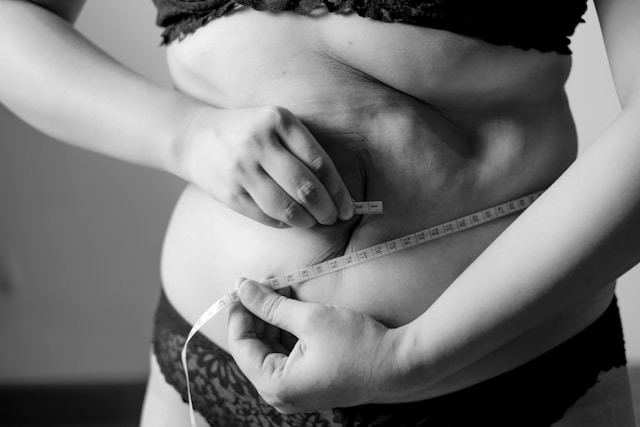
- Body composition shift: Many women notice a gradual redistribution of weight toward the midsection, even if eating patterns have not changed.
These symptoms often ebb and flow. Some months feel almost normal, then others are rough. The variability itself is a hallmark of perimenopause.
What are the first signs of low estrogen?
Low or dropping estrogen can show up as hot flashes, night sweats, vaginal dryness, and a shorter or lighter menstrual flow. It also contributes to sleep fragmentation and mood changes. In perimenopause, estrogen can be low one cycle and higher the next, so you might not feel these symptoms consistently at first.
What are signs of low estrogen in perimenopause?
During perimenopause specifically, low-estrogen symptoms often appear alongside progesterone changes. Common patterns include:
- Vasomotor symptoms: hot flashes and night sweats.
- Genitourinary changes: vaginal dryness, discomfort with intercourse, urinary urgency or more frequent UTIs.
- Sleep and mood: middle-of-the-night awakenings, low mood, and anxiety.
- Skin and hair: drier skin and sometimes hair shedding.
Remember that thyroid issues, stress, iron deficiency, and medication effects can mimic these symptoms, which is why an individualized evaluation matters.
When to test hormones, and what labs may include
Hormone testing can be useful when timing and symptoms are unclear, when you want a baseline, or when you are considering hormone therapy. It is also helpful to rule out conditions that can masquerade as perimenopause.
A comprehensive evaluation typically includes:
- History and symptom review: menstrual patterns, sleep, mood, sexual health, hot flashes, and family history.
- Physical exam when needed.
- Labs tailored to your case, which may include estradiol, progesterone, follicle-stimulating hormone (FSH), luteinizing hormone (LH), thyroid panel, ferritin/iron studies, vitamin D, fasting glucose and lipids, and sometimes testosterone and sex hormone binding globulin (SHBG). Timing may be cycle-specific if you are still menstruating.
Because hormones fluctuate from week to week in perimenopause, a single lab value does not tell the whole story. At Nurturing You, we combine your symptoms, history, and labs to guide care, then adjust as your hormones change over time. If you are local and want a tailored assessment, explore our approach to hormone testing for women in Corona through our bioidentical hormone page.
What doctors recommend for perimenopause
Most clinicians recommend starting with lifestyle strategies that stabilize energy, improve sleep, and support metabolic health, then layering medical options as needed. At Nurturing You, we individualize care with a mix of evidence-based steps:
- Sleep care: Consistent sleep and wake times, a cool bedroom, limiting alcohol near bedtime, and managing night sweats. Magnesium glycinate, cognitive behavioral strategies for insomnia, and gentle morning light exposure can help reset rhythm.
- Resistance training: Two to three sessions per week to support lean muscle, bone health, insulin sensitivity, and mood. Even brief sessions count.
- Protein-forward nutrition: Aim for protein at each meal, plenty of fiber, colorful produce, and stable blood sugar. Hydration helps with hot flashes for some.
- Stress support: Mindful breathing, short walks, counseling when needed, and practical boundary-setting to tame cortisol spikes that worsen hot flashes and sleep.
If symptoms remain disruptive, medical therapies may include:
- Local vaginal estrogen for dryness and urinary symptoms.
- Systemic hormone therapy using bioidentical estrogen and progesterone for moderate to severe vasomotor symptoms and sleep disruption, when appropriate and after risk assessment.
- Non-hormonal options for hot flashes, such as certain prescription agents, when hormones are not desired or not advised.
- Targeted supplements on a case-by-case basis, recognizing that responses vary.
We also consider metabolic health, since body composition often shifts in perimenopause. If weight has become harder to manage, a physician-led plan can help you rebuild muscle and stabilize appetite. Learn more about our Corona medical weight loss programs if that is on your mind.
Who should not take HRT for perimenopause?
Hormone therapy is not right for everyone. In general, women with a history of estrogen-receptor positive breast cancer, unexplained vaginal bleeding, active or recent blood clots, certain liver disease, or a history of stroke may be advised to avoid systemic estrogen. Individual risk varies, and some breast cancer survivors can safely use low-dose vaginal estrogen for local symptoms under oncology guidance. A careful consultation is essential before starting therapy.
If you are a candidate, we offer individualized options, including bioidentical formulations and SottoPelle pellets for continuous delivery for selected patients. We monitor labs and symptoms to personalize dosing and safety.
When to seek help
Reach out if:
- Your periods are very heavy, last longer than seven days, or you need to change protection more than every one to two hours.
- You are missing work, sleep, or relationships due to symptoms.
- Mood changes feel unmanageable, or you are experiencing persistent anxiety or depression.
- You have vaginal bleeding after sex or between periods that is new or concerning.
- You prefer a clear plan instead of “waiting it out.”
Prompt evaluation can address red flags and help you feel better sooner. Telehealth visits are available when an exam is not required.
How Nurturing You supports your perimenopause
We combine compassionate care with evidence-based options. At our women’s health clinic in Corona, you can expect:
- Individualized assessment and shared decision-making.
- Lifestyle planning with sleep, movement, and nutrition that fits real life.
- Bioidentical hormone therapy when appropriate, including pellets and topical forms, with lab monitoring.
- Sexual wellness care for vaginal dryness and low libido, with non-hormonal procedures available when needed.
- Metabolic and weight management support that prioritizes muscle and long-term health.
Explore our integrative menopause services if you want a comprehensive, personalized path through this transition. If you are out of town or prefer convenience, telehealth menopause care in Corona makes it easy to start the conversation from home.
Quick FAQ’s
- What are the first signs of low estrogen? Hot flashes, night sweats, vaginal dryness, lighter or shorter periods, sleep disruption, and mood changes.
- What are signs of low estrogen in perimenopause? The same core symptoms often appear intermittently due to fluctuating levels, plus brain fog and urinary changes for some.
- What do doctors recommend for perimenopause? Start with sleep, resistance training, protein-forward nutrition, and stress care. Add targeted therapies like local vaginal estrogen, systemic hormone therapy when appropriate, or non-hormonal medications if needed.
- Who should not take HRT for perimenopause? Those with certain cancers, active or recent blood clots, stroke history, unexplained bleeding, or specific liver disease may be advised to avoid systemic estrogen. Personalized guidance is essential.
The bottom line
Perimenopause is common, but struggling through it is not required. If you are in the Inland Empire and wondering what is normal, we are here to help you make sense of symptoms and feel like yourself again. Schedule a perimenopause consultation in Corona by calling Nurturing You Women’s Health & Wellness at (844) 845-8737. Telehealth is available for many visits.